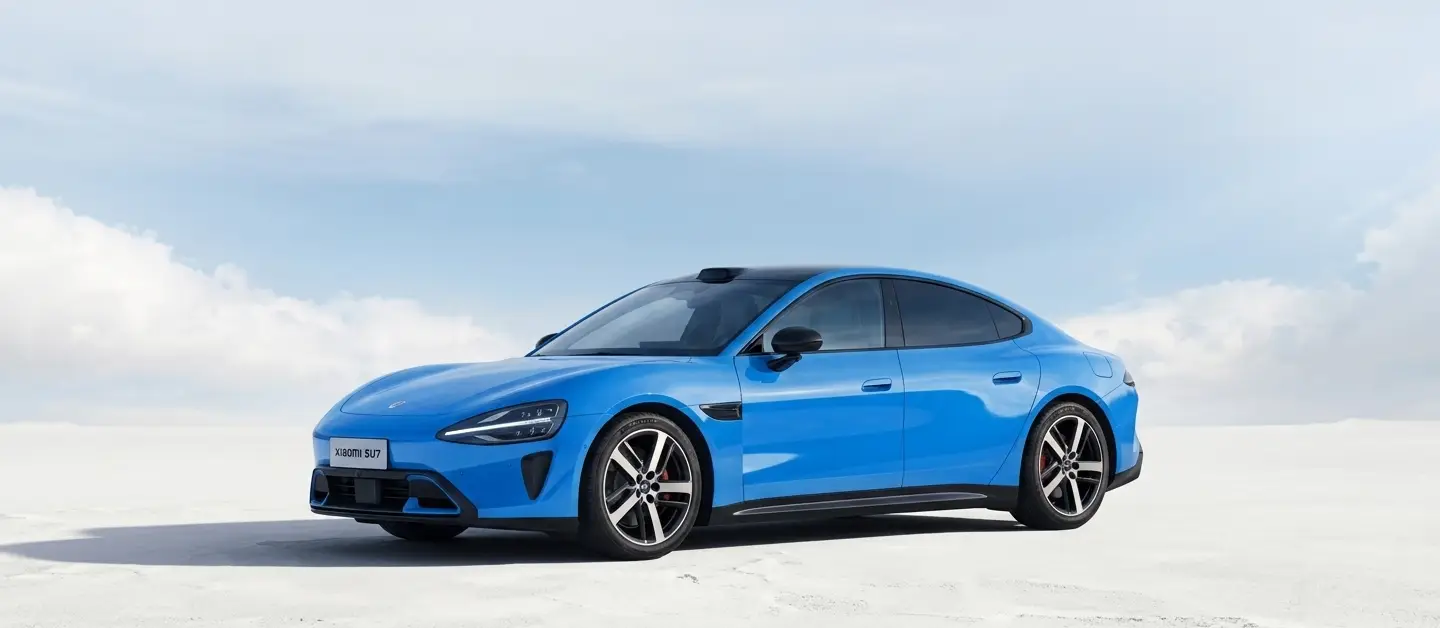
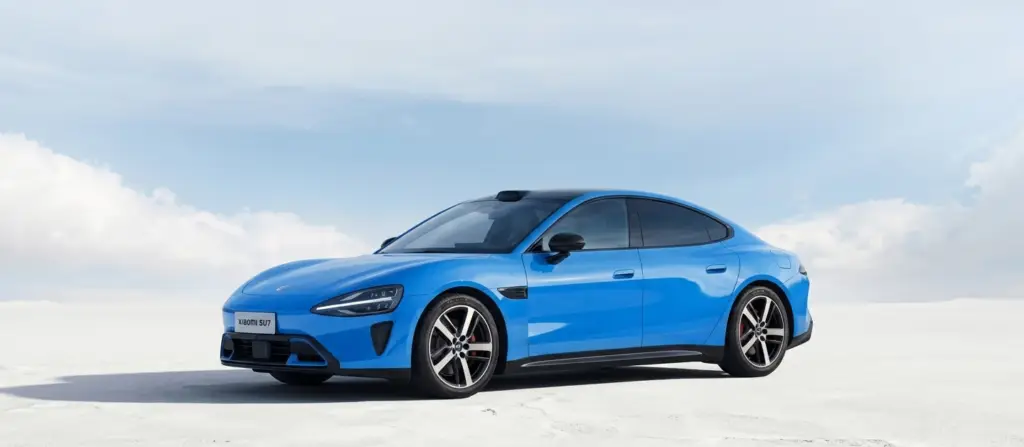
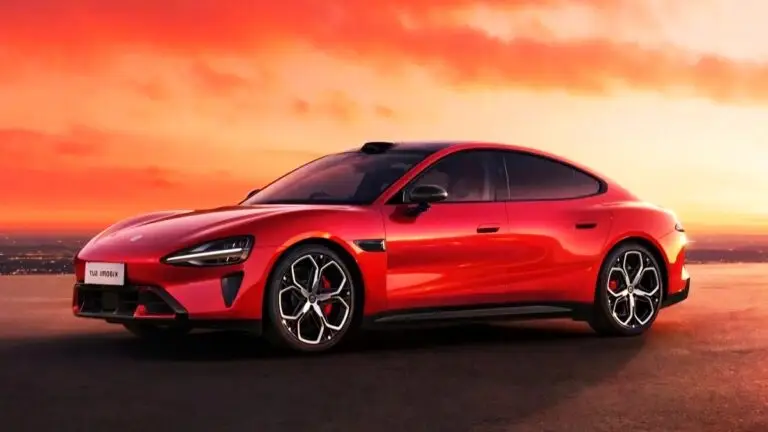
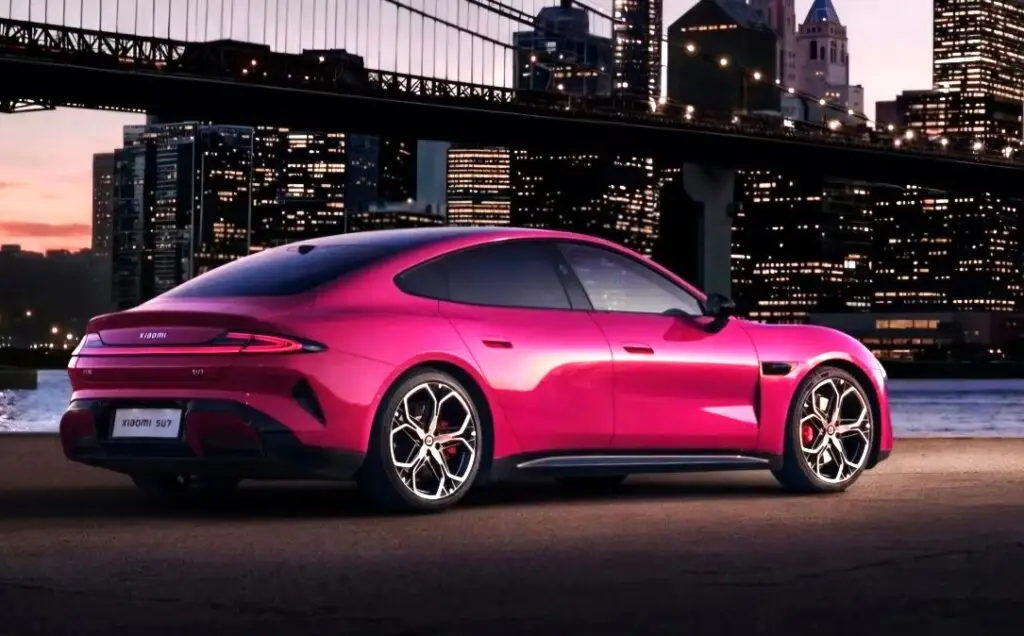
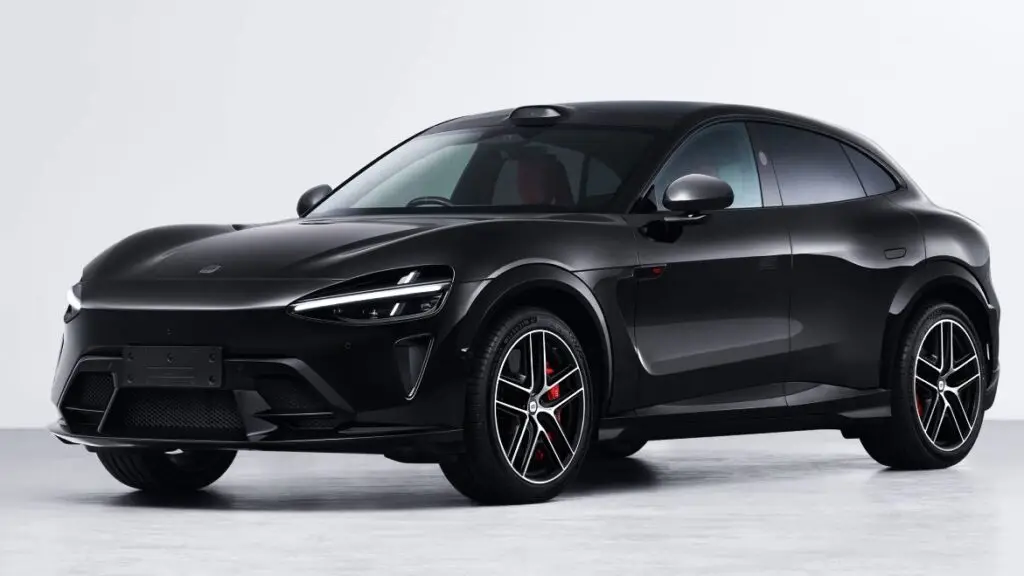
Xiaomi founder Lei Jun is clearly thrilled with the momentum of the next-generation SU7. During a recent livestream on April 2, 2026, he revealed that the company has already secured over 40,000 locked-in orders for the upgraded electric sedan.
Unlike standard pre-orders, these "locked-in" commitments require a non-refundable deposit, signaling serious buyer intent and ensuring a packed production schedule for the coming months. Xiaomi’s strategy of beginning mass production well before the official March 19 launch has paid off; the factory had already stockpiled roughly 16,000 "ready-to-deliver" units, allowing the company to begin handovers just days after the event.
Price remains the primary driver behind the massive crowds at Xiaomi Auto showrooms. The base-model SU7 Standard starts at just RMB 219,900 (~€28,150), a price point that has sent shockwaves through the industry. By offering high-end performance and a seamless tech ecosystem for a fraction of the cost of its rivals, Xiaomi is successfully challenging the dominance of established players like Tesla.
The Chinese electric vehicle market is currently navigating a period of complex volatility. While individual monthly figures show signs of recovery, the year-over-year data highlights a cooling domestic climate.
According to the latest data from the China Passenger Car Association (CPCA), the market experienced a sharp monthly rebound following a quiet holiday season, though it remains below last year's peaks.Retail Sales: Domestic retail sales of New Energy Vehicles (NEVs) reached 848,000 units in March.Month-on-Month Growth: This represents a substantial 82.6% surge compared to the "sleepy" sales figures of February 2026.Year-on-Year Decline: Despite the monthly gains, overall retail sales were down 14.4% compared to March 2025, marking the third consecutive month of annual contraction.
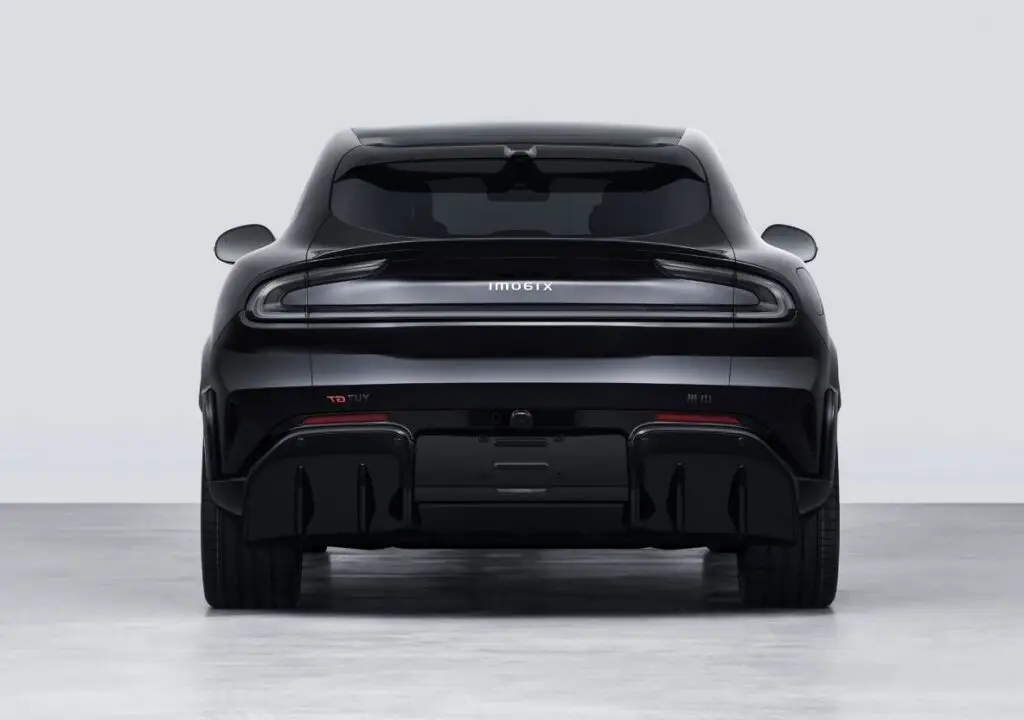
The collision of the tech and automotive worlds is no longer a theoretical "future"—it’s happening in real-time, and Xiaomi is the one holding the hammer.While established car companies are still grappling with software-defined vehicles, Xiaomi is treating the car like the ultimate mobile accessory, and it’s working. The company just reported 21,440 deliveries for March 2026—a figure that would be impressive for a veteran, let alone a brand that only delivered its first car two years ago.