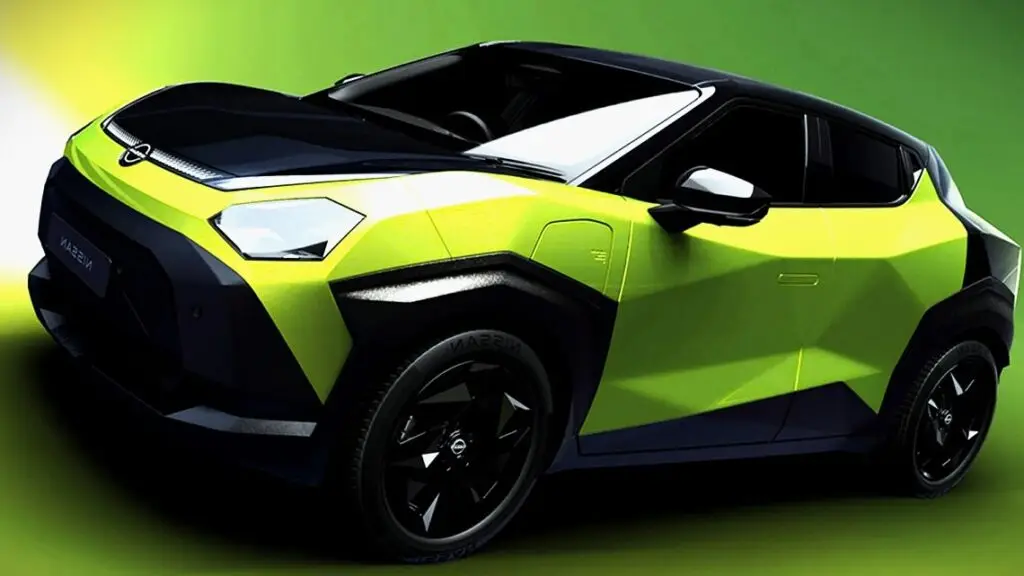
Nissan has never been one to play it safe, and the Juke is the ultimate proof. When it first hit the scene, its "frog-like" face and polarizing curves sparked a massive debate: was it a design revolution or a rolling oddity? Regardless of which side you were on, it carved out a niche that nobody else dared to touch.
Now, Nissan is turning the dial even further for the third-generation Juke. While retaining that signature, "love-it-or-hate-it" DNA, the newest iteration is ditching the tailpipe. By transforming into a fully electric crossover, the Juke is evolving from a quirky cult favorite into a high-tech contender in the EV race, proving that going green doesn't have to mean looking boring.
Arriving in early 2027, this all-electric successor transitions to the AmpR Medium platform (formerly known as CMF-EV). By adopting these shared "bones," the new Juke aligns its mechanical DNA with high-performance peers like the Renault Scenic E-Tech, the Alpine A390, and the Nissan Ariya.
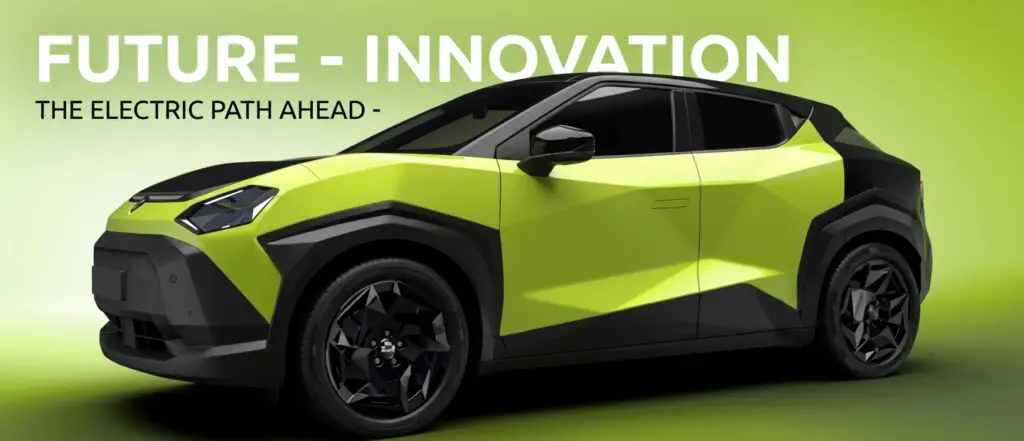
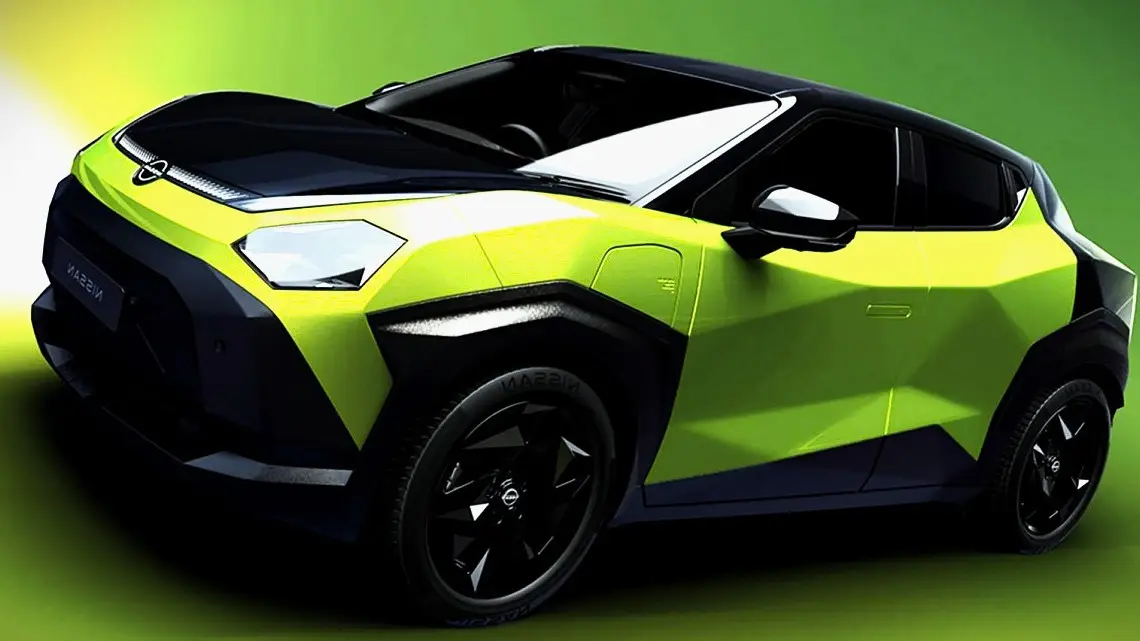
The Nissan Hyper Urban concept breaks away from traditional curves, opting instead for a design defined by sharp, geometric facets and a bold, crystalline aesthetic.New nissan juke is a bold electric crossover color review
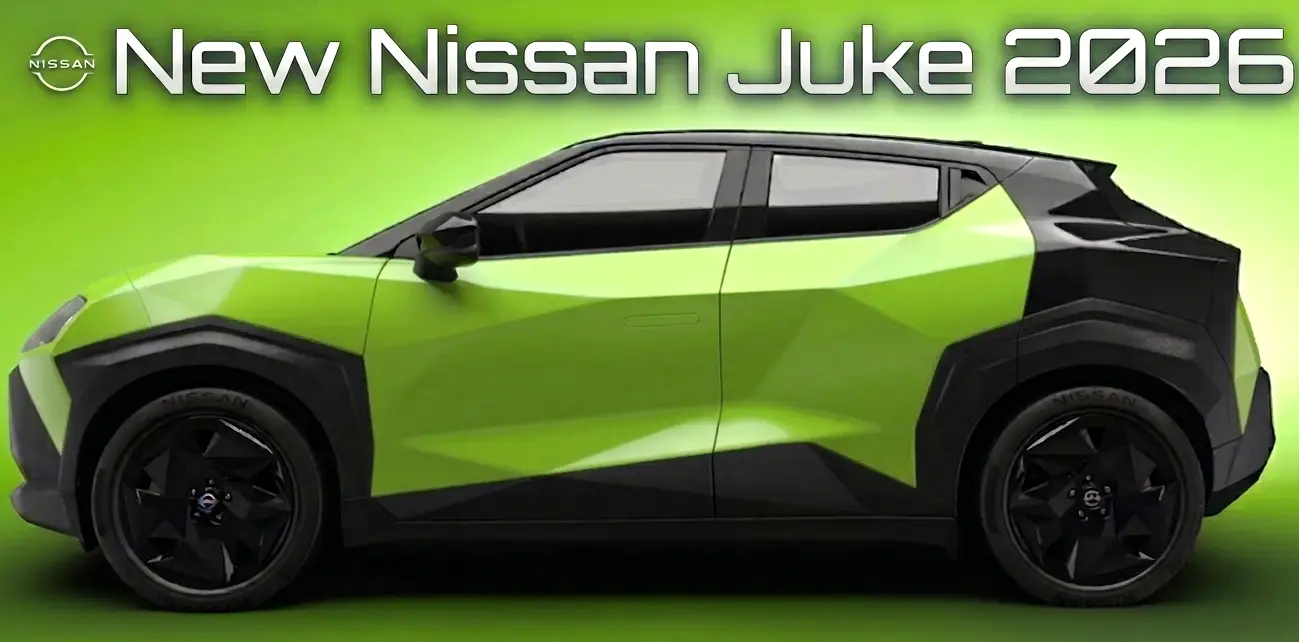
Its exterior is characterized by deep, angular creases and a massive, darkened front fascia integrated with futuristic, thin-slit LED lighting. The show model features a striking lime-yellow pearlescent finish that shifts character depending on the light, while the flared, blackened wheel arches reinforce a rugged, high-tech stance. This vehicle is a deliberate statement piece, engineered for those who want their presence on the road to be unmistakable.
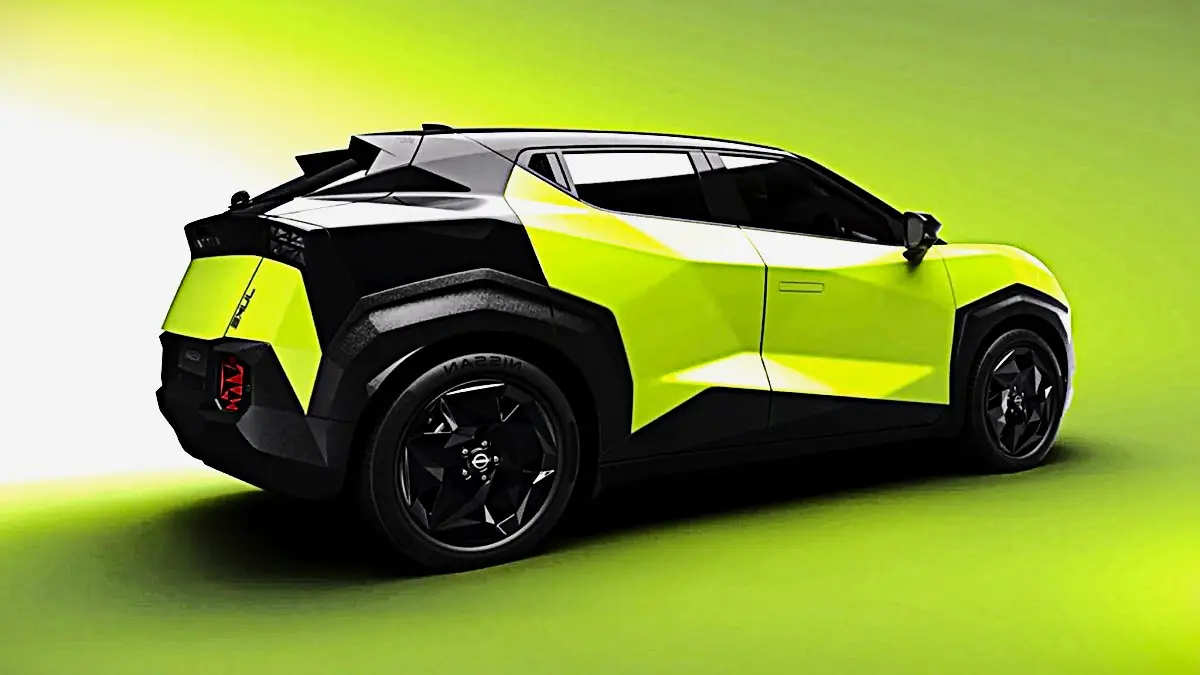
The signature elevated rear door handles remain a nod to the original Juke’s DNA, but the rest of the exterior takes a radical leap forward. The rear is defined by intricate LED lighting signatures and a sculpted tailgate that defies traditional proportions, lending the vehicle an experimental aesthetic typically reserved for design studies. While the interior remains under wraps, the avant-garde exterior suggests a cabin that will likely be just as provocative.
While we’re still waiting on the full motor specifications, we have a clear picture of the energy architecture. Drivers will likely choose between two battery capacities: a standard 52 kWh pack or a long-range 75 kWh option.
Beyond just driving, the Juke features advanced Vehicle-to-Grid (V2G) technology. This essentially turns the car into a mobile energy hub, allowing it to discharge stored power back into your home or the municipal grid during peak demand.
By centralizing the production of the new Juke alongside the Leaf at its Sunderland plant, Nissan is optimizing its manufacturing footprint. This multi-model EV strategy ensures consistent line utilization and workforce stability, creating a streamlined, high-efficiency hub for the brand’s electric future.
Rather than following the traditional “out with the old, in with the new” approach, Nissan is opting for a parallel sales strategy. The company plans to keep the second-generation hybrid Juke on the market alongside its upcoming all-electric successor. To ensure brand consistency across the showroom, the hybrid model will receive a styling refresh to mirror the aesthetic of the new EV.
The Industry Perspective: “Breaking from the standard automotive lifecycle, Nissan has announced a dual-model strategy for the Juke. The existing second-generation hybrid will remain in production alongside the new electric variant, receiving a facelift to align its visual DNA with the EV’s modern design language.
Nissan is doubling down on the bold identity of the Juke by transitioning the nameplate into a fully electric crossover. This shift ensures the model remains a centerpiece of the brand’s modern lineup rather than fading into the background. While the avant-garde styling may be polarizing, that distinctive “weirdness” is precisely the edge Nissan is counting on to capture attention in an increasingly crowded EV market.
Nissan Juke price
- Coming Soon