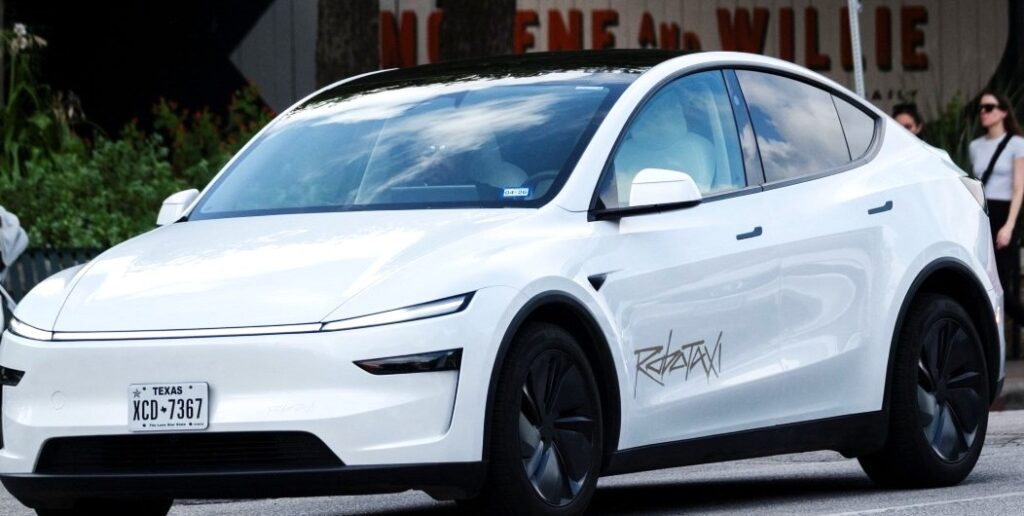
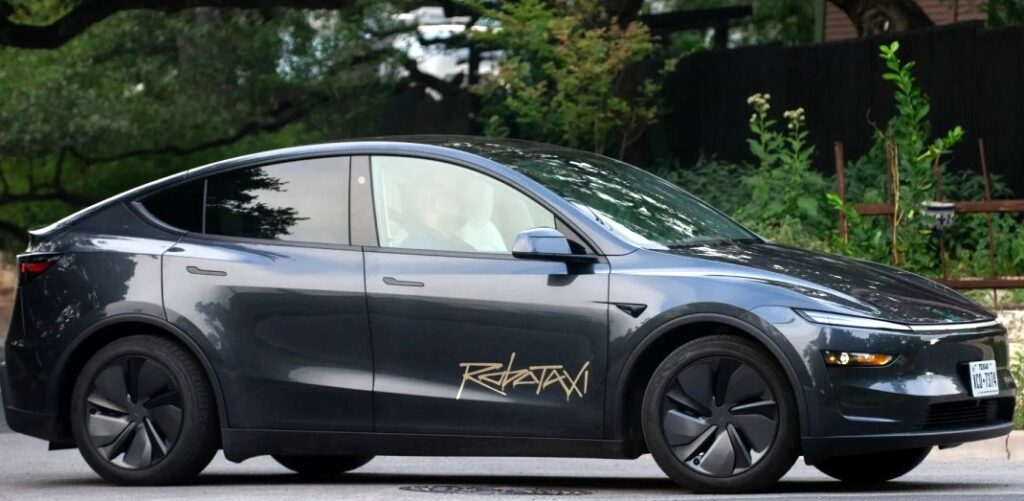
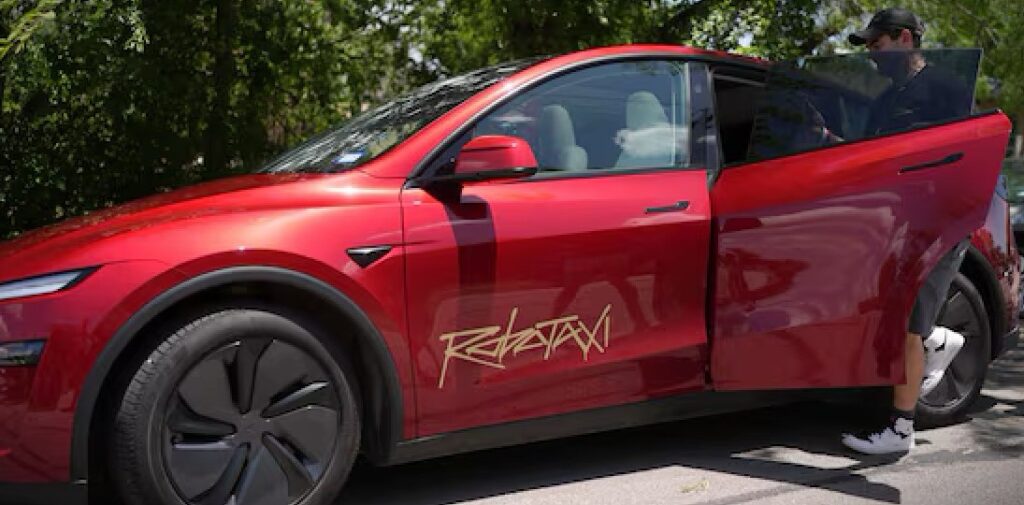
Returning to its roots, Tesla is expanding its self-driving car service. The company's Robotaxi initiative will soon expand into the Dallas and Houston areas, as previously announced. Given that the service was formerly limited to the Austin and San Francisco areas, this is a significant advancement for the organization.
The locations where these Robotaxis can drive are pretty small for present. In Houston, the service spans around 64.7 square kilometers. In Dallas, the autos stay largely around the Highland Park neighborhood. For instance, the service area in Austin is substantially larger presently. It encompasses around 634.5 square kilometers, but it took about a year for Austin to get that huge. That service started as a limited zone of only 51.8 square kilometers.
Tesla uses the Model Y for this service, one of the most popular EVs in the world. But Tesla did not provide many specifics about the impending launch. We do not know how many cars will hit the road in Houston or Dallas. The corporation also did not indicate how much a ride will cost. On social media, the corporation only presented two maps and announced the service is commencing. This lack of information is a bit of a mystery for buyers and admirers alike.
There is also a significant question over who is truly driving. Most of these vehicles still have a person in the front seat functioning as a safety monitor. They make sure the car performs the appropriate thing in traffic. In Austin, Tesla has roughly 80 cars in its fleet. Only roughly 4 to 12 of them drive without a human inside at any given moment. Most of the time, a person is still there to help out. We expect the Houston and Dallas fleets to work the same way for a while.
The safety record for Robotaxi has some rocky areas. Tesla reported 15 crashes to the authorities since the Austin launch. Some data reveals these cars might crash more often than human drivers. One crash in July 2025 even put a person to the hospital. Tesla also keeps its crash reports very confidential. Other firms share more information about their accidents with the public, but Tesla prefers to keep the facts to itself, calling it sensitive business information.
The weather is another difficulty in the new places. Tesla’s Robotaxi generally stops working when it starts to rain. This might be a significant concern in a metropolis like Houston. That city gets rain roughly 100 days every year. If the automobiles cannot drive in the weather, the service can be down a lot. Most people desire a taxi they can use when it is pouring outside. Nobody wants to get stranded waiting for a car that is terrified of a few sprinkles.
There are other competitors in the Texas market than Tesla. Since February 2026, Waymo has operated in Dallas and Houston. Waymo’s vehicles are completely autonomous. There is absolutely no need for someone to be in the front seat. Approximately 500,000 rides are provided nationwide each week by Waymo, which intends to reach 1 million rides per week by the end of the year.
Elon Musk has made many bold promises regarding Robotaxi throughout the years. In 2019, he said there would be 1 million robotaxis by 2020. He also said there would be 500 automobiles in Austin by late 2025. In reality, there were just approximately 42. Tesla is infamous for objectives that are often considerably bigger than what it actually achieves. The propaganda machine is always working at full speed, even when the automobiles are parked.
For now, this extension looks more like a modest test than a comprehensive service. Tesla is going into new places before fixing problems in the ones it already is in, and those who want to ride in these autonomous EVs will have to wait for additional specifics. We shall see if the fleet grows or if the safety issues continue to follow the brand.