With ethanol supplies exceeding current demand, higher ethanol blends such as E22, E25, E27, and E30 are being explored in addition to the existing E20 fuel.
Ethanol blending has emerged as a major topic of discussion in India. Although oil supplies from the Middle East have resumed, uncertainty over long-term stability in the region continues to raise concerns. As a result, countries around the world are looking for alternative ways to strengthen their energy security. In India, the introduction of E20 fuel has already played a significant role in reducing the country’s dependence on imported oil and lowering its import costs.
While E20 fuel has helped reduce India’s reliance on imported oil, the government believes more can be done. To further cut fuel imports, it is considering higher ethanol blends such as E22, E25, E27, and E30. Although the long-term objective is to introduce flex-fuel vehicles capable of running on E85 or E100, these intermediate blends are seen as a practical step forward. However, most existing vehicles designed for E20 or lower ethanol blends are not expected to be compatible with these higher-blend fuels.
Can Existing Cars Run on E30 Fuel?
In a recent interview with Car and Bike, BMW Group India President and CEO Hardeep Singh Brar said that existing vehicles cannot simply be upgraded to run on higher ethanol blends such as E30. He explained that the effects of these new fuel blends on current vehicles must first be thoroughly evaluated. This is especially important in India, where millions of cars on the road are more than 10 years old and were not designed even for E20 fuel.
The requirement for automakers to produce E20-compatible vehicles came into effect only in April 2023. While higher ethanol blends may work well in vehicles specifically engineered for them, their impact on older vehicles remains uncertain. Hardeep Singh Brar pointed out that this is a key concern, especially since many existing vehicles were not designed for such fuels. He also suggested that some MINI customers have already reported issues related to fuel blends. With MINI aiming to expand its presence in India, any fuel-related compatibility problems could create additional hurdles for the brand.
According to Hardeep, regulators should make sure that new fuel blends do not create problems for current vehicles. Reports indicate that the government may address this by offering multiple fuel options at fuel stations, once testing of higher ethanol blends is finalized.
Hardeep also stressed that the government should give automakers sufficient notice before introducing new fuel standards. Advance timelines would enable manufacturers to make the required technical changes and ensure their vehicles comply with upcoming regulations. He further highlighted the importance of providing clear guidelines and certainty to the industry during such transitions.
MINI Aims for Strong Growth in India
Along with discussing ethanol blends, Hardeep also outlined MINI’s expansion plans for the Indian market. The brand is set to increase its focus on Tier II and Tier III cities, where demand for its vehicles is growing. This year, MINI will expand its presence in cities such as Jaipur, Jodhpur, Patna, Ranchi, Calicut, Vijayawada, and Mangalore, all of which have seen rising interest in MINI cars.
Speaking about the India–UK Free Trade Agreement, Hardeep clarified that it is unlikely to affect the prices of MINI cars in India, as their production is not entirely dependent on the UK. However, he added that if any changes do occur within the next six months, refunds may be issued.
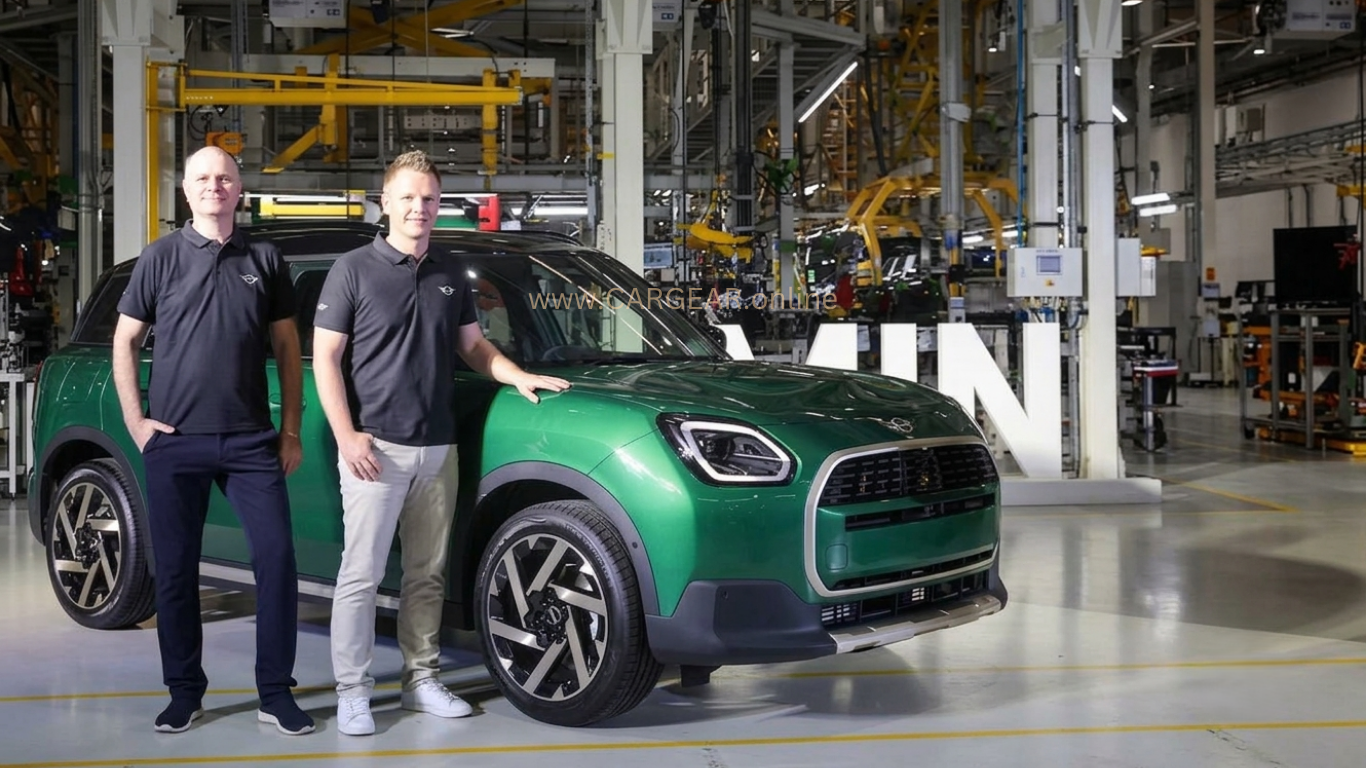
Hardeep also spoke about the recently launched Countryman C, which has achieved around 50% localization. Combined with local assembly, the model is being offered at a competitive price of ₹47.5 lakh. MINI is targeting sales of 1,000 units this year, which would mark its highest annual sales in India so far.